15 Simple Ways to Save Money Every Month in 2027
Saving money can feel difficult when everyday expenses continue to rise. From groceries and housing to transportation, insurance, and utility bills, managing your monthly budget requires careful planning. However, you do not need a high income to start saving. Small changes in your daily habits can make a meaningful difference over time.
Whether you want to build an emergency fund, pay off debt, save for a vacation, or improve your financial future, the right money-saving habits can help you reach your goals.
In this guide, we explore 15 simple ways to save money every month in 2027, with practical tips that can help individuals and families across the United States manage their finances more effectively.

1. Create a Monthly Budget
One of the easiest ways to improve your finances is to create a monthly budget. A budget helps you understand how much money you earn, where it goes, and how much you can save.
Start by writing down your monthly income and expenses. Include rent or mortgage payments, groceries, transportation, insurance, subscriptions, and debt payments.
You can use a spreadsheet, budgeting app, or notebook to track your spending.
A popular budgeting method is the 50/30/20 rule:
- 50% of your income for needs.
- 30% for wants.
- 20% for savings and debt repayment.
You can adjust these percentages based on your income and living costs.
2. Reduce Unnecessary Subscriptions
Streaming services, music platforms, gym memberships, and other subscriptions can quietly take a significant share of your monthly budget.
Review your bank and credit card statements to find recurring charges. Cancel any services you seldom use or no longer need.
For instance, if you subscribe to three streaming platforms but regularly watch only one, consider keeping the service you use most.
Saving even $30 a month adds up to $360 a year.
3. Plan Your Meals Before Shopping
Food is a major monthly expense for many American households. Planning meals before visiting the grocery store can help reduce waste and unnecessary purchases.
Create a weekly meal plan based on your budget. Check your refrigerator and pantry before shopping so you do not buy items you already have.
Try these simple habits:
- Prepare a grocery list before shopping.
- Compare prices between stores.
- Buy seasonal fruits and vegetables.
- Use leftovers for another meal.
- Avoid shopping when you are hungry.
Meal planning can make grocery spending more predictable and help you avoid buying food that goes unused.
4. Compare Prices Before Making Purchases
Do not automatically purchase the first product you find. Comparing prices online and in local stores can help you identify better deals.
This is especially useful for electronics, household products, clothing, insurance, and everyday essentials.
However, remember that the lowest price is not always the best value. Check product quality, warranties, shipping costs, and customer reviews before buying.
A few minutes of research could help you avoid unnecessary spending.
5. Cook More Meals at Home
Eating at restaurants and ordering delivery regularly can become expensive. Cooking at home is often a practical way to reduce food expenses.
You do not need complicated recipes or expensive ingredients. Simple meals prepared with rice, vegetables, eggs, chicken, beans, and other affordable foods can help lower your grocery budget.
Try preparing meals in advance on weekends. This can also reduce the temptation to order expensive takeout after a busy day.
6. Set Up Automatic Savings
Saving becomes easier when you make it a regular habit instead of waiting until the end of the month.
Consider setting up an automatic transfer from your checking account to a separate savings account after payday.
For example, transferring $50 every week would help you save approximately $2,600 over one year, before any interest.
Choose an amount that fits your budget. Even a small automatic transfer can help you build consistency.
7. Reduce Electricity andUtility Bills
Electricity, water, heating, and internet services can take a significant portion of a household budget.
You can reduce utility expenses by making small changes around your home:
- Turn off lights when leaving a room.
- Unplug electronics that are not being used.
- Use energy-efficient LED bulbs.
- Adjust your thermostat when you are away.
- Fix leaking faucets.
- Wash clothes with full loads when practical.
You can also compare available utility plans and check whether your provider offers energy-saving programs.
8. Avoid Impulse Shopping
Impulse purchases can make it difficult to stay within your monthly budget. Buying something simply because it looks attractive or is on sale does not always mean you need it.
Before making a nonessential purchase, give yourself 24 hours to think about it. For more expensive items, consider waiting several days.
Ask yourself three questions:
- Do I really need this item?
- Can I afford it without using credit?
- Will I still want it next week?
This simple habit can help you make more thoughtful spending decisions.
9. Use Cashback and Rewards Carefully
Some credit cards and shopping platforms offer cashback, discounts, or rewards on eligible purchases.
These programs may provide savings when used responsibly. However, rewards should never encourage you to spend more than you planned.
If you use a credit card, try to pay the full statement balance by the due date to avoid interest charges. Compare annual fees and other card terms before signing up.
Remember, avoiding unnecessary purchases is usually better than earning a small reward on money you did not need to spend.
10. Review Your Insurance Costs
Insurance is an important part of financial planning, but that does not mean you should ignore the cost.
Consider reviewing your auto, home, renters, and other insurance policies periodically. Compare quotes from multiple providers and check whether available discounts apply to your situation.
For example, some auto insurers offer discounts for safe driving, multiple policies, or eligible vehicle safety features.
Do not choose a policy based on price alone. Make sure the coverage, deductibles, exclusions, and limits meet your needs.
11. Pay Down High-Interest Debt
High-interest debt can make saving money more difficult because a large portion of your monthly payment may go toward interest.
Start by listing your debts, interest rates, minimum payments, and balances.
Two common repayment strategies are:
- Debt avalanche: Focus on paying off the debt with the highest interest rate first while making minimum payments on the others.
- Debt snowball: Focus on paying off the smallest balance first to build motivation.
Choose the strategy that works best for your circumstances. Reducing expensive debt can free up money for future savings.
12. Use Public Transportation or Carpool
Transportation costs include fuel, parking, maintenance, insurance, and vehicle payments.
If public transportation is available in your area, using buses or trains for some trips may reduce your monthly expenses.
You can also consider carpooling with coworkers, combining errands into one trip, or walking for short distances when practical.
Before changing your transportation routine, compare the total costs and consider convenience, safety, and travel time.
13. Build an Emergency Fund
An emergency fund can protect your finances when unexpected expenses arise, such as car repairs, medical bills, or temporary loss of income.
Start with a small savings target, such as $500 or $1,000, and gradually work toward saving three to six months of essential living expenses if your situation allows.
Keep emergency savings in an accessible account, such as an appropriate savings account, rather than relying on credit cards for every unexpected expense.
The most important thing is to start building the habit, even if you can save only a small amount each month.
14. Buy Used Items When It Makes Sense
Buying secondhand products can be an effective way to reduce spending on certain purchases.
Consider used furniture, books, clothing, bicycles, tools, and household equipment when they are in good condition.
You can explore local thrift stores, community marketplaces, and reputable resale websites.
Before purchasing, inspect the item’s condition, compare prices, and check whether it includes necessary accessories or warranties.
For products involving safety, such as certain baby equipment or protective gear, check current safety guidance before buying used.
15. Set Clear Monthly Savings Goals
Saving money is easier when you have a specific target.
Instead of saying, “I want to save more,” choose a realistic goal with a deadline.
For example:
- Save $500 for an emergency fund.
- Save $1,000 for a planned expense.
- Put aside $100 every month for a future purchase.
- Build a larger financial cushion over the next year.
Track your progress each month and adjust your target when your income or expenses change.
Small goals can help you stay motivated and develop better financial habits.
How Much Can You Save Each Month?
Your potential savings depend on your income, expenses, location, household size, and lifestyle. The following example shows how small changes could add up.
| Expense Category | Example Monthly Savings |
|---|---|
| Cancel unused subscriptions | $30 |
| Reduce restaurant spending | $60 |
| Lower grocery expenses | $50 |
| Reduce utility costs | $20 |
| Avoid unnecessary shopping | $40 |
| Compare insurance options | $25 |
| Total | $225 |
These figures are illustrative, not guaranteed savings. Your actual results may be higher or lower depending on your circumstances.
Saving $225 every month would equal $2,700 over 12 months, before interest.
Final Thoughts
Saving money in 2027 can be straightforward. Begin by setting a monthly budget, canceling subscriptions you rarely use, planning your meals, resisting impulse buys, and automating your savings.
There is no need to adopt all 15 strategies at once. Select two or three that suit your lifestyle and stick with them. As your savings increase, you can build on those habits and pursue larger financial goals.
Effective money management does not mean avoiding every purchase. It means making considered choices, limiting unnecessary spending, and preparing for the future.
Frequently Asked Questions (FAQs)
1. What is the easiest way to save money every month?
Creating a monthly budget and setting up automatic transfers to a savings account are two simple ways to develop consistent saving habits.
2. How much money should I save every month?
The amount depends on your income and expenses. The 50/30/20 budgeting rule suggests directing 20% of after-tax income toward savings and debt repayment, but you can start with a smaller amount if necessary.
3. How can I save money on a low income?
Focus on essential expenses first. Reduce unused subscriptions, plan affordable meals, compare service costs, avoid unnecessary purchases, and save a small amount regularly.
4. How can I save $1,000 in three months?
You would need to save approximately $334 per month, or around $77 per week. Review your budget and identify expenses you can reduce to reach that target.
5. Is it better to save money or pay off debt?
It depends on your financial situation. Maintaining some emergency savings while prioritizing high-interest debt can help you avoid relying on additional borrowing when unexpected expenses occur.
6. Where should I keep my monthly savings?
For short-term goals and emergency funds, consider an accessible savings account at an insured financial institution. Compare account fees, access requirements, and interest rates before choosing one.
Disclaimer: This article is for general informational and educational purposes only. It does not constitute financial, investment, tax, or legal advice. Individual financial circumstances vary, and readers should consider consulting a qualified professional before making important financial decisions.

Cracker Barrel to pay outgoing CEO’s security costs, $4.6M in exit fees after failed rebrand attempt: Latest info
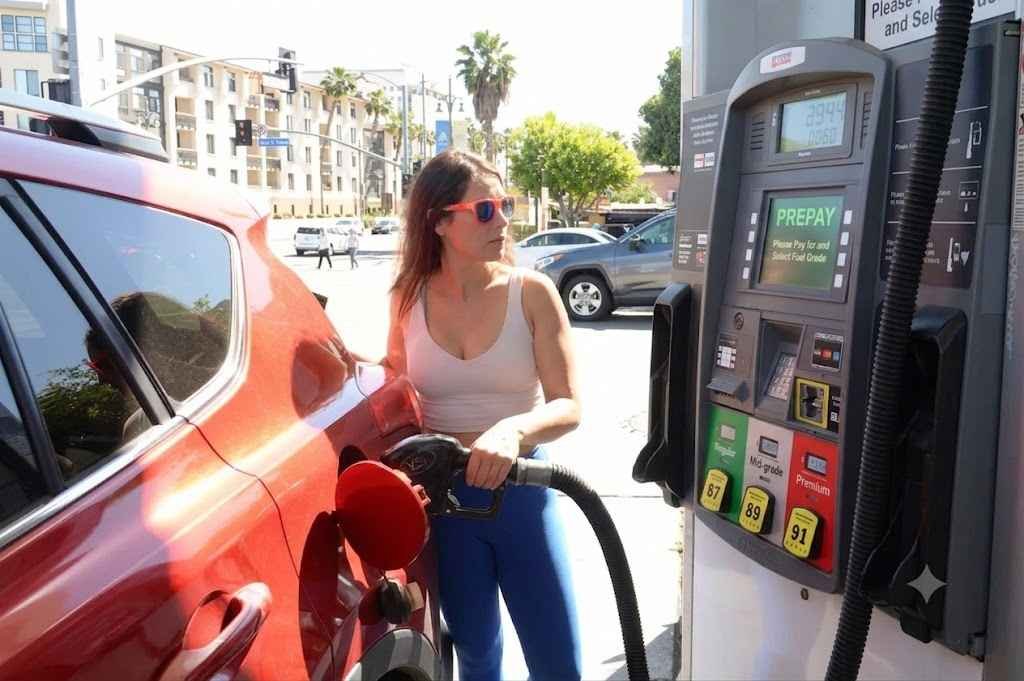
LA gas stations where you can still get cheap gas revealed — as prices have skyrocketed since last year info

Best Homeowners Insurance Companies for 2026
About The Author
