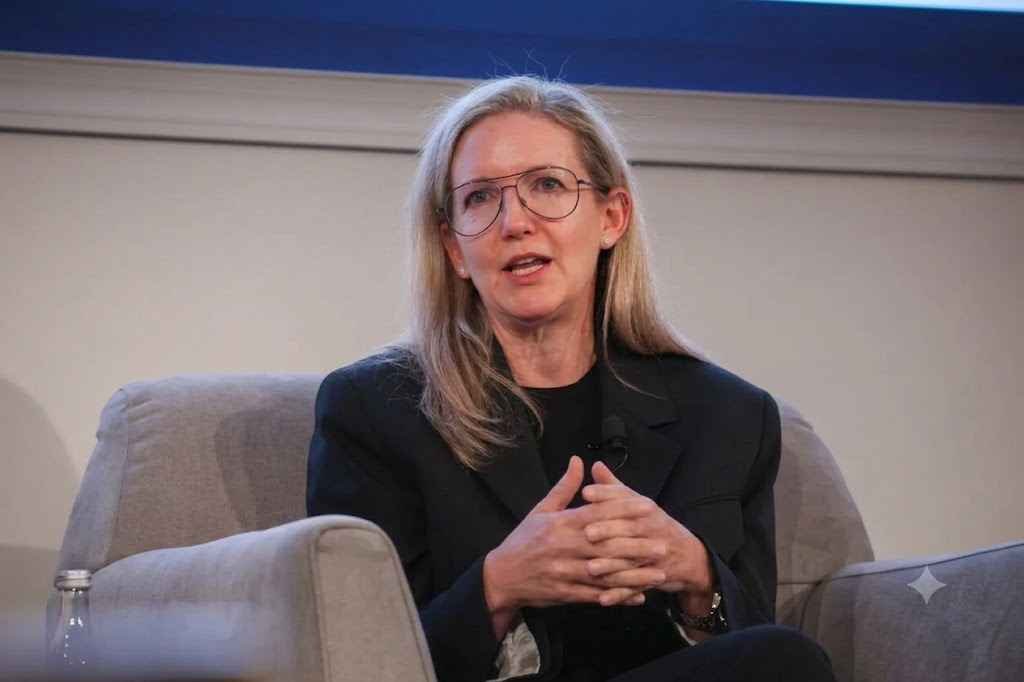
Restaurant chain Cracker Barrel Old Country Store has announced that its outgoing Chief Executive Officer will receive approximately $4.6 million in exit compensation, along with company-paid security services for a period after leaving the role.
The announcement comes after a tough time for the company, when the leadership worked on a rebranding plan that had some positive and some negative responses from customers and investors. The change in leadership is part of Cracker Barrel’s effort to get back to its main business and boost its financial results.
Why the CEO Is Leaving

The CEO is leaving after a time when the company‘s sales were going down, customers were changing what they wanted, and there was a lot of criticism about the recent changes in the brand.
The company tried to update its image to attract younger people, but many long–time customers worried the changes made the brand lose its original feel.
Meanwhile, the restaurant industry as a whole is struggling with rising costs for food and labor, and people are being more careful about how much they spend.
Details of the Exit Package
According to company filings, the departing CEO will receive compensation valued at about $4.6 million, which includes various contractual benefits associated with the executive’s departure.
The company also disclosed that it will cover certain personal security costs for a defined period following the CEO’s exit, a benefit that is sometimes provided to senior executives of publicly traded companies based on security assessments and corporate governance policies.
Why Companies Provide Executive Security

Security protection for former executives is not uncommon among large corporations.
Companies may provide temporary security coverage due to:
- Public visibility.
- Potential personal safety concerns.
- Ongoing business-related risks.
- Protection following high-profile leadership changes.
Such arrangements are typically reviewed by a company’s board of directors and are disclosed in regulatory filings when required.
Rebranding Effort Fell Short
Cracker Barrel introduced several initiatives intended to refresh its brand, including updates to restaurant interiors, menu offerings, and marketing strategies.
While the company hoped these changes would attract new customers, many loyal diners preferred the traditional experience that had defined the brand for decades.
Industry analysts say balancing innovation while preserving a company’s heritage remains one of the biggest challenges facing established restaurant chains.
Financial Challenges Continue
Like many restaurant operators, Cracker Barrel has been navigating several economic pressures, including:
- Rising food prices.
- Higher labour costs.
- Inflation affecting consumer spending.
- Increased competition from fast-casual restaurants.
- Changing dining habits.
These challenges have affected profitability across much of the restaurant industry.
Investor Reaction
Investors will likely focus on how quickly new leadership can improve the company’s performance.
Shareholders are expected to monitor:
- Same-store sales growth.
- Customer traffic.
- Operating margins.
- Cost-control initiatives.
- Future earnings reports.
Leadership changes often create uncertainty in the short term but can also provide opportunities for strategic improvements.
What’s Next for Cracker Barrel?
The company’s board is expected to oversee the leadership transition while continuing efforts to strengthen operations.
Future priorities may include:
- Enhancing customer experience.
- Improving menu offerings.
- Increasing operational efficiency.
- Expanding digital ordering capabilities.
- Restoring investor confidence.
Management will likely seek a balance between preserving Cracker Barrel’s traditional identity and adapting to changing consumer expectations.
Industry Perspective
The restaurant business is getting more competitive as companies spend money on new tech, delivery options, loyalty rewards, and updating their menus.
Customers still want good value, easy access, and reliable quality, which means strong leadership choices are really important when the economy isn’t stable.
For Cracker Barrel, the upcoming leadership changes might be very important for its future success.
Conclusion
Cracker Barrel’s decision to provide its outgoing CEO with approximately $4.6 million in exit compensation and temporary security coverage marks the end of a difficult chapter following a rebranding effort that failed to achieve its intended goals.
As the company begins a leadership transition, investors, employees, and customers will be watching closely to see whether new management can strengthen the brand, improve financial performance, and reconnect with its loyal customer base.
Frequently Asked Questions
1. Why is Cracker Barrel’s CEO leaving?
The leadership change follows a difficult period that included disappointing financial performance and criticism of the company’s rebranding efforts.
2. How much is the CEO’s exit package?
The departing CEO is expected to receive approximately $4.6 million in exit compensation, according to company disclosures.
3. Why is Cracker Barrel paying for the CEO’s security?
Some public companies provide temporary security benefits to former executives based on corporate governance policies and security assessments.
4. Why did the rebranding receive criticism?
Some customers felt the changes moved away from Cracker Barrel’s traditional style and identity, while the company sought to attract new audiences.
5. What challenges does Cracker Barrel face now?
The company continues to deal with inflation, higher operating costs, changing consumer preferences, and intense competition in the restaurant industry.
