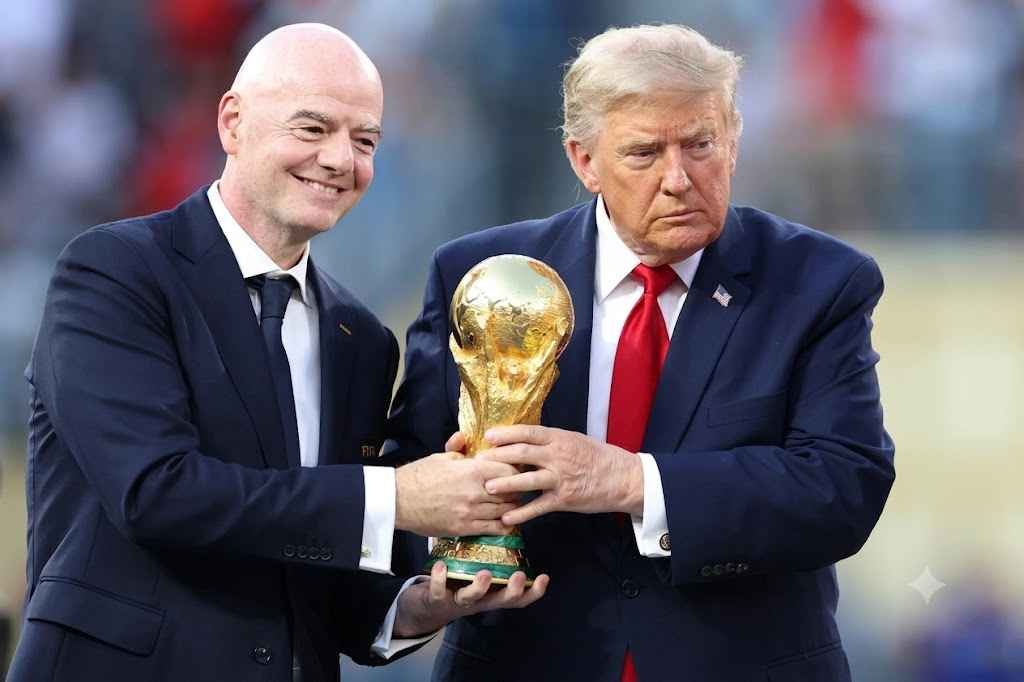
A reported $20 billion investment plan backed by FIFA President Gianni Infantino has sparked controversy across the football world, with UEFA expressing strong concerns about the proposal’s potential impact on the global game.
The plan is said to have outside investors giving a lot of money to FIFA events, like the World Cup, in return for business chances and long–term deals. Some fans think this money could help football grow faster around the world, but others worry it might change how the sport is run and affect the balance between business and sports management.
What Is the $20 Billion Proposal?
According to reports, the proposed investment would involve private financial backing for FIFA tournaments and related commercial ventures.
Although full details have not been publicly finalized, the reported objectives include:
- Expanding FIFA competitions.
- Increasing global football investment.
- Developing infrastructure.
- Supporting new football markets.
- Generating additional commercial revenue.
- Enhancing fan engagement through digital platforms.
Supporters believe such funding could provide significant resources for football development worldwide.
Why UEFA Is Concerned
UEFA, which organizes major European competitions such as the UEFA Champions League and the UEFA European Championship, has reportedly raised concerns about the proposal.
Key concerns include:
Commercial Influence
Critics worry that private investors could gain excessive influence over football’s biggest tournaments.
Calendar Congestion
European football already has a crowded schedule. Additional FIFA-backed competitions could increase pressure on players, clubs, and national teams.
Governance Issues
Some football officials believe major strategic decisions should remain under the control of football governing bodies rather than external investors.
Financial Balance
There are also concerns that increased commercial investment could widen the financial gap between football organizations and competitions.
FIFA’s Perspective
FIFA has consistently argued that expanding commercial opportunities can generate additional revenue that benefits football globally.
According to FIFA’s long-term strategy, increased investment could help:
- Develop youth football.
- Improve football infrastructure.
- Support women’s football.
- Expand coaching programs.
- Grow the sport in emerging football nations.
FIFA maintains that increasing financial resources ultimately benefits players, associations, and fans.
Potential Impact on Global Football
If implemented, the investment plan could reshape several areas of international football.
Tournament Expansion
Additional funding could support larger tournaments and new international competitions.
Infrastructure Development
National football associations could receive increased financial support for stadiums, training facilities, and grassroots development.
Media Rights
Commercial partnerships could influence future broadcasting agreements and digital content distribution.
Fan Experience
Investment may also accelerate improvements in digital services, ticketing technology, and global fan engagement.
Financial Implications
Modern football has become increasingly commercial, with broadcasting rights, sponsorships, and media partnerships generating billions of dollars annually.
A multi-billion-dollar investment could:
- Increase tournament prize money.
- Expand commercial partnerships.
- Improve football facilities.
- Create new revenue opportunities.
- Strengthen FIFA’s global development programs.
However, analysts note that greater private investment may also require careful governance to avoid conflicts of interest.
Reaction Across the Football Community

The proposal has generated mixed reactions.
Some football executives view additional investment as an opportunity to modernize the sport and increase funding for developing nations.
Others argue that football’s traditions, competitive balance, and governance should remain the primary focus rather than commercial expansion.
Supporters also emphasize that any significant structural changes should involve consultation with confederations, leagues, clubs, players, and other stakeholders.
What Happens Next?
Discussions regarding the reported investment proposal are expected to continue among FIFA, UEFA, national associations, clubs, and commercial partners.
Any major agreement would likely require extensive negotiations addressing:
- Governance structure.
- Commercial rights.
- Revenue distribution.
- Competition scheduling.
- Regulatory oversight.
- Long-term financial sustainability.
The outcome could shape international football for many years.
Conclusion
Gianni Infantino’s suggested $20 billion plan for the World Cup has started a big conversation about where global football is heading. People who support the idea think it could lead to more money, new ideas, and better growth around the world. But some people, especially those in UEFA, worry about how decisions are made, the influence of businesses, and how much pressure there is on the football schedule.
As these talks go on, the main groups in charge of football will have to find a way to grow money while still keeping the sport‘s history, fairness, and future in good shape.
