
Escalation in Middle East Tensions
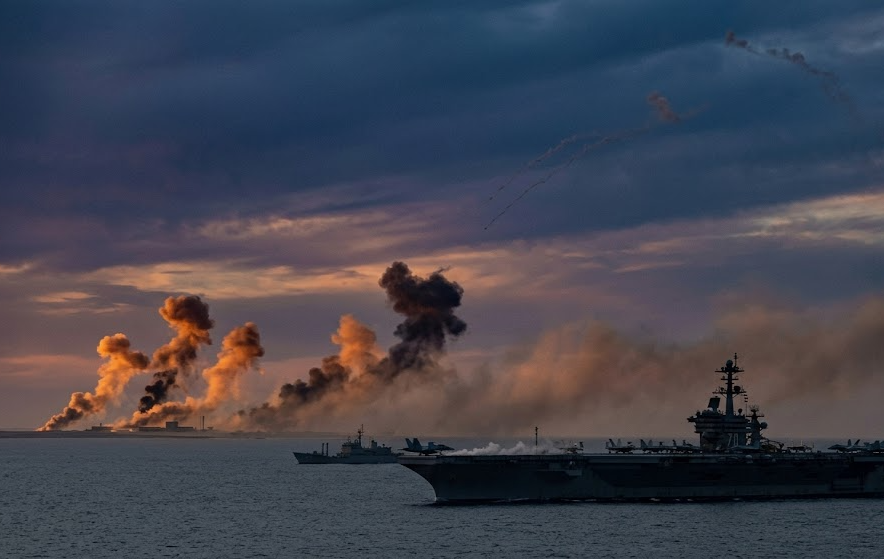
The United States has launched a series of airstrikes against Iranian military targets following what U.S. officials described as a failed Iranian missile attack on American forces stationed in the Middle East. The retaliatory operation marks one of the most significant escalations between Washington and Tehran in recent months and has raised concerns about broader regional instability.
What Happened?
U.S. military officials said Iran shot ballistic missiles at American military sites. The U.S. and its allies‘ air defense systems stopped the missiles, so there was no major damage to U.S. troops. After the attack, the U.S. approved airstrikes that hit Iranian military targets connected to the missile launch.
The U.S.
Department of Defense explained that the strikes were meant to stop Iran from attacking again and to keep American soldiers safe in the area.
U.S. Response
American military aircraft reportedly targeted multiple locations associated with Iran’s missile and military capabilities. Officials described the operation as a defensive response designed to deter additional attacks rather than expand the conflict.
U.S. officials also warned that any further attacks on American personnel or military installations could trigger additional military action.
Iran’s Position
Iran says its military actions are because of past U.S. operations and ongoing tensions in the region. Iranian officials have spoken out against the American attacks and have said Iran can take action again if more attacks happen.
Regional Impact
The most recent conflict has raised worries about safety in the Middle East. Many nearby countries have boosted their military preparedness as leaders keep a close eye on how things are changing quickly.
Analysts warn that continued exchanges between the United States and Iran could affect:
- Regional security.
- International shipping routes.
- Global oil supplies.
- Energy prices.
- Financial markets worldwide.
Oil Markets React
Energy markets reacted quickly to the renewed tensions. Investors remain concerned that instability near key shipping routes, including the Strait of Hormuz, could disrupt global oil exports. Any prolonged conflict in the region could place additional upward pressure on crude oil prices and increase volatility across global financial markets.
International Reactions
Governments and international organizations have called for restraint from both sides. Diplomatic efforts are expected to continue in hopes of preventing the conflict from expanding into a wider regional war.
Security experts say maintaining open communication channels will be critical to avoiding further military escalation.
Why This Matters
The United States maintains military personnel and strategic interests across the Middle East. Any direct confrontation with Iran has the potential to influence international security, energy markets, global trade, and diplomatic relations.
For businesses and investors, continued instability could contribute to fluctuations in oil prices, stock markets, and broader economic uncertainty.
Conclusion
The U.S. airstrikes represent a significant response to the reported Iranian missile attack and highlight the fragile security situation in the Middle East. While American officials describe the operation as a defensive measure aimed at protecting U.S. forces, the possibility of further retaliation remains a major concern.
As diplomatic and military developments continue, the international community will be closely watching for signs of either de-escalation or additional conflict.
