Introduction
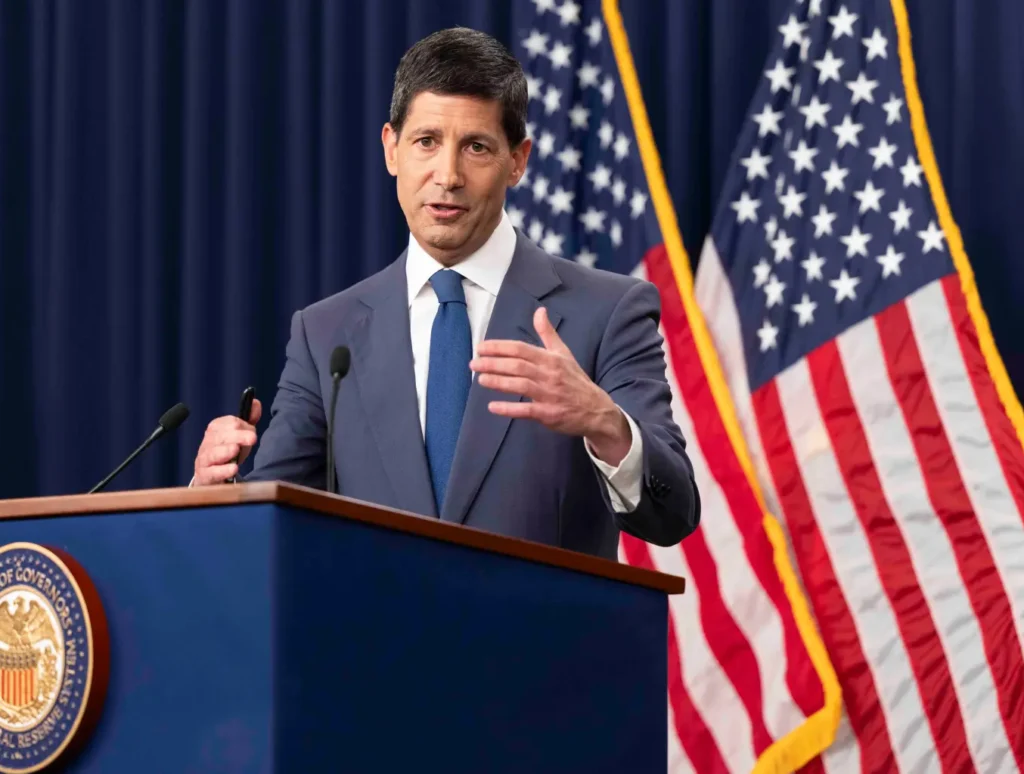
The Federal Reserve has decided to keep interest rates the same, so borrowing costs stay unchanged. While the central bank continues to watch inflation, jobs, and the overall economy, the most recent meeting showed that Fed officials are not all in agreement. Some are starting to think that another rate increase might be needed if inflation keeps going up.
This disagreement shows that there’s a lot of uncertainty about the U.S.
economy. The Fed is trying to manage inflation without slowing down economic growth.
Fed Keeps Rates Unchanged
After its latest meeting, the Federal Open Market Committee (FOMC) voted to leave the federal funds rate unchanged. Officials said recent economic data showed progress on inflation but stressed that they need additional evidence before making further policy changes.
The decision means borrowing costs for consumers and businesses will remain at current levels until future economic data provides a clearer direction.
Why Is the Fed Holding Rates?
Severa economic indicators influenced the Fed’s decision:
- Inflation has eased compared with previous highs but remains above the Fed’s long-term 2% target.
- The U.S. labour market continues to show strength with relatively low unemployment.
- Consumer spending remains resilient.
- Economic growth has moderated but continues at a steady pace.
Officials believe maintaining current rates gives them more time to evaluate incoming data before deciding whether additional tightening is necessary.
Internal Disagreement Among Officials
Although the committee decided not to change the rates, some policymakers worried that the dangers of inflation are still around.
A few officials said that if inflation doesn’t get better, they might have to raise rates again.
But others think the current policy is already tight enough to help control inflation.
One policymaker compared the discussion to a “good family fight,” meaning that having different opinions is normal and helps make better decisions, not a sign of disagreement.
What This Means for Consumers
Keeping interest rates unchanged affects millions of Americans.
Mortgage Rates
Homebuyers may continue facing relatively high mortgage rates, although future changes will depend on market expectations and economic conditions.
Credit Cards
Credit card interest rates are likely to remain elevated, making it more expensive to carry outstanding balances.
Savings Accounts
Higher interest rates continue to benefit many savings accounts and certificates of deposit (CDs), allowing savers to earn stronger returns.
Auto Loans
Vehicle financing costs remain relatively expensive compared with previous years.
Impact on Businesses
Businesses often delay expansion plans when borrowing costs remain high.
Companies dependent on loans for growth or investment may continue facing higher financing expenses. On the other hand, firms with strong cash flow could benefit from stable borrowing conditions if interest rates remain unchanged.
Market Reaction
Financial markets generally welcomed the Fed’s decision, but investors are closely watching future inflation reports and employment data.
Stock markets, bond yields, and the U.S. dollar may remain volatile as traders adjust expectations regarding the timing of future interest rate moves.
What Happens Next?
Future Fed decisions will depend largely on incoming economic data, including:
- Inflation reports
- Employment numbers
- Wage growth
- Consumer spending
- GDP growth
- Global economic developments
If inflation continues moving toward the Fed’s target, policymakers could eventually consider lowering rates. However, if inflation strengthens again, additional rate hikes may remain on the table.
Conclusion
The Federal Reserve’s decision to hold interest rates steady reflects a cautious approach as policymakers navigate a challenging economic environment. While inflation has improved, uncertainty remains, and the growing debate within the Fed shows that future decisions will depend heavily on upcoming economic data.
For consumers, businesses, and investors, staying informed about inflation, employment, and future Fed meetings will be essential in understanding where interest rates may head next.
